7 Upselling Strategies That Work Automatically on a Digital Menu
June 17, 2025
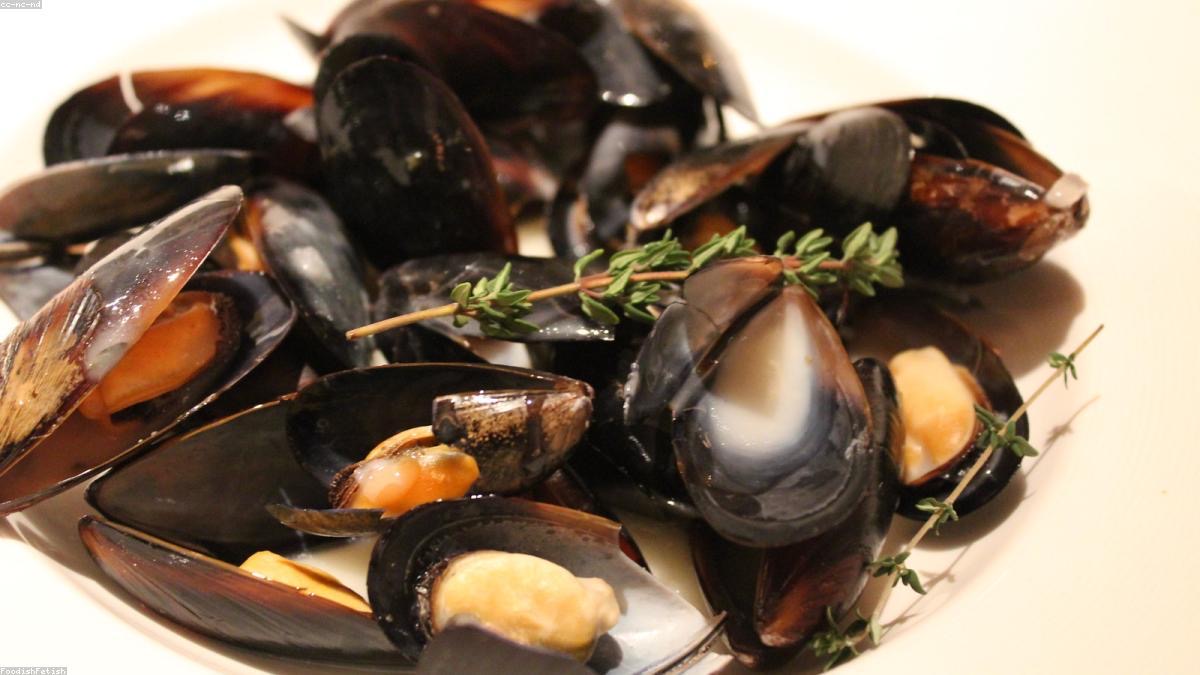
Upselling has a reputation problem. Done badly, it feels pushy, the server who won't stop suggesting the truffle add-on. Done well, it's just helpful: pointing a guest toward something they'll genuinely enjoy. The trouble is consistency. Even your best staff forget to suggest a side when they're slammed, and new hires rarely upsell at all. A digital menu solves that by making the suggestion every single time, without pressure. Here are seven restaurant upselling techniques you can put on autopilot.
1. Pair Add-Ons With the Right Item
The most natural upsell is the one that belongs with what the guest already chose. Order a burger, and the menu offers to add bacon or a side of fries. Order a steak, and it suggests a sauce or a glass of red. Because the prompt appears at the moment of decision and relates directly to the order, it reads as helpful rather than salesy. Set these pairings once and they fire on every relevant order.
2. Use Photos to Sell the Extras
A tempting photo does more upselling than any line of text. A description that says "add loaded fries" is easy to skip. A glistening photo of those fries is much harder to resist. Put your best images on the high-margin add-ons and desserts, and let the visuals do the persuading. This is one place a digital menu beats a server, who can't carry a picture to every table.
3. Prompt the Dessert at the Right Moment
Dessert is the classic missed upsell, because by the end of the meal the server is busy and the guest is winding down. A digital menu can surface dessert options when the guest is reviewing their order or settling up, the exact window when a sweet finish sounds appealing. With quick ordering, adding that slice of cake is one tap, so there's no friction between temptation and order.
4. Offer Smart Drink Upgrades
Drinks carry strong margins, which makes them ideal for gentle upselling. When a guest adds a soft drink, the menu can offer to make it large. When they pick a house wine, it can suggest a premium pour. Framing it as an upgrade rather than a separate item makes the yes easy. These prompts run automatically, so you capture the upsell even when the bar is swamped.
5. Bundle Items Into Easy Combos
Guests like a deal, and bundles raise the average check while feeling generous. A main plus a side plus a drink at a slight discount nudges someone from ordering one item to ordering three. On a digital menu you can present these combos prominently and let guests build them in a couple of taps. Platforms like QckOrder make it straightforward to set up combos that show at the right point in the order.
6. Highlight "Most Popular" and "Chef's Pick"
People lean on social proof when they're unsure. Tagging certain items as popular or as a chef's recommendation gently steers guests toward the dishes you want to move, often your higher-margin or signature plates. It's a soft upsell that helps the indecisive guest while quietly lifting your average order. A digital menu can display these tags consistently, something a printed menu can't update on the fly.
7. Suggest a Second Round Before the First Is Empty
Timing makes or breaks a reorder. A guest is far more likely to get another drink while they're still enjoying the first than after it's gone and the moment has passed. Because the menu sits on the guest's phone throughout the meal, ordering a second round is always one tap away. You're not waiting on a server to notice an empty glass, the option is simply there when the guest feels like it.
Why Automatic Beats Manual
The thread running through all seven is consistency. A server's upselling depends on memory, mood, and how busy the floor is. A digital menu's upselling depends on nothing, it makes the same well-timed suggestion to every guest, on every order, all night. That reliability is where the revenue lives. A small bump in average check, applied to every table, adds up to far more than the occasional well-executed suggestion from a server who happened to have a free moment.
It also keeps the experience pleasant. Because the prompts are relevant and low-pressure, guests don't feel sold to, they feel guided.
Conclusion
The best upselling doesn't rely on luck or someone remembering to ask. Build relevant pairings, lead with photos, time your dessert and drink prompts, and lean on bundles and social proof, then let your digital menu run those plays on every order. Quick ordering turns upselling from a hit-or-miss task into a steady, automatic part of service that lifts your average check while keeping guests happy.